ABOUT
Building a “Social Reintegration Support System” Together with the Local Community
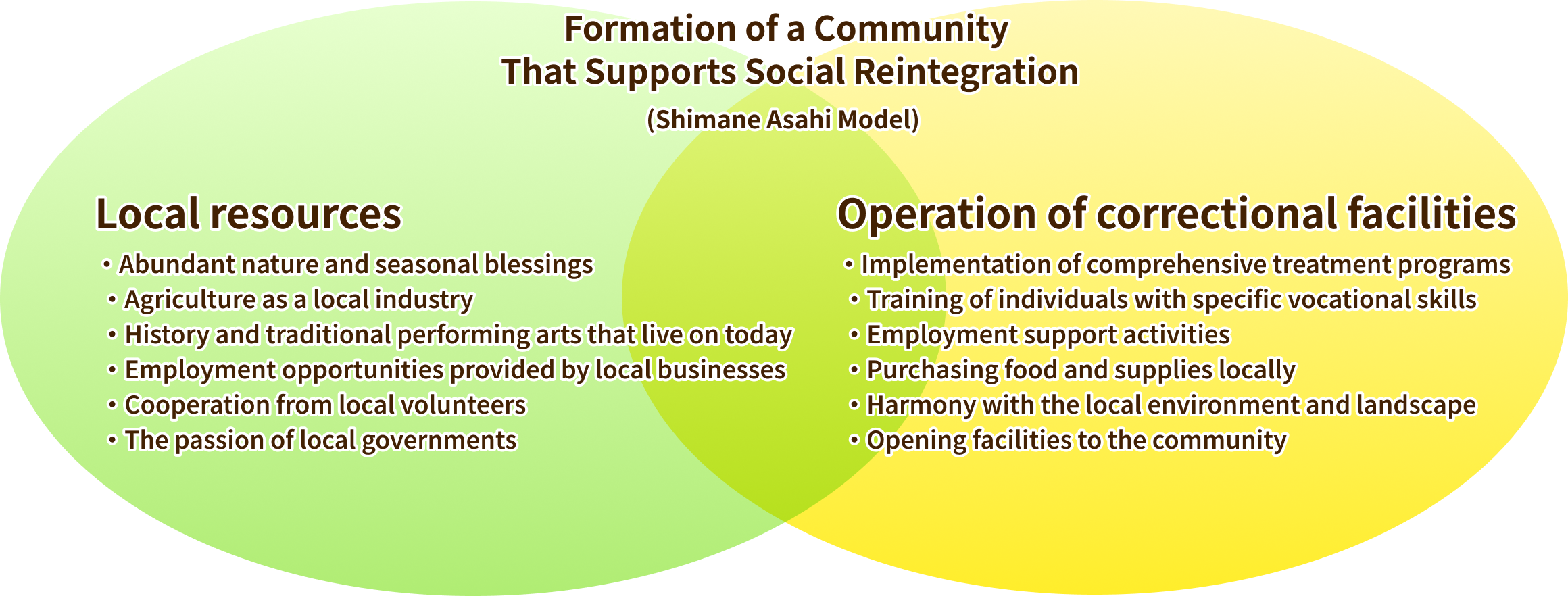
Toward the Realization of the Shimane Asahi Model
Facilities and Daily Life
Daily Life Aimed at Social Reintegration
Trainees (inmates) engage in various daily activities—such as eating meals, educational programs, and socializing during leisure time—in the open-plan, two-story atrium-style multipurpose hall located in each housing unit.
※At the Center, inmates are referred to as trainees.
-
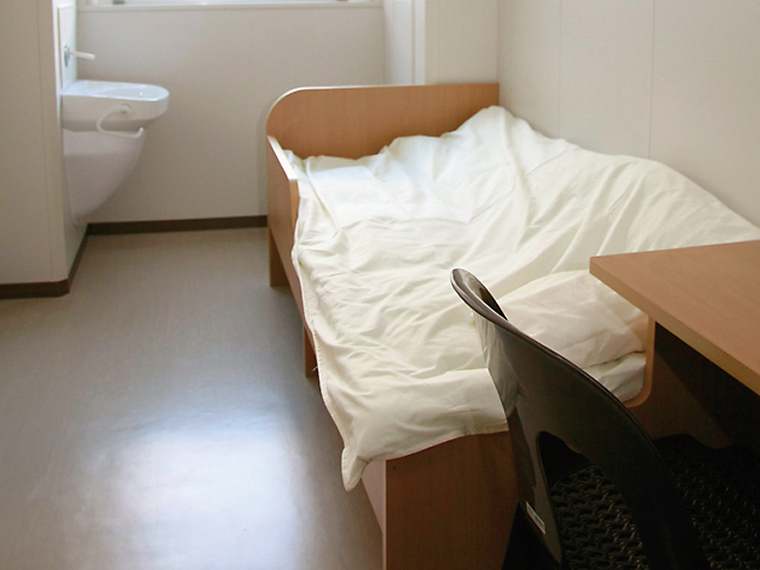
living room -
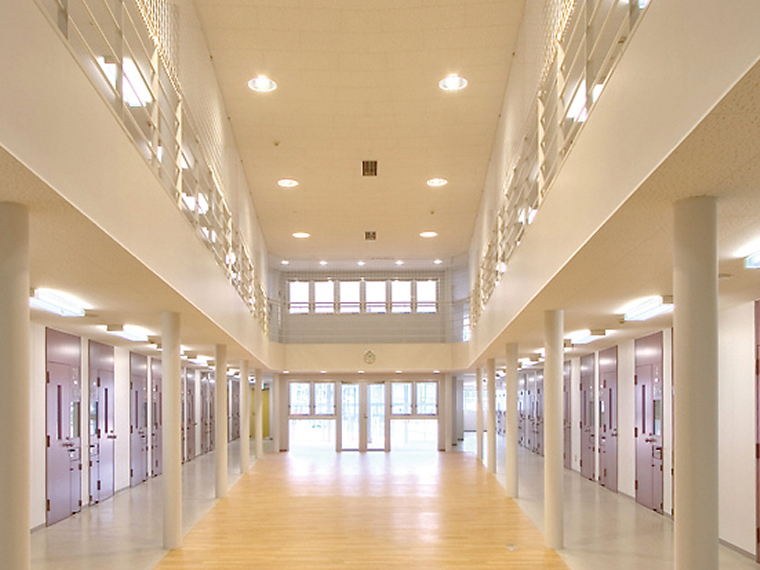
Multipurpose Hall
Introduction of the Independent Movement System
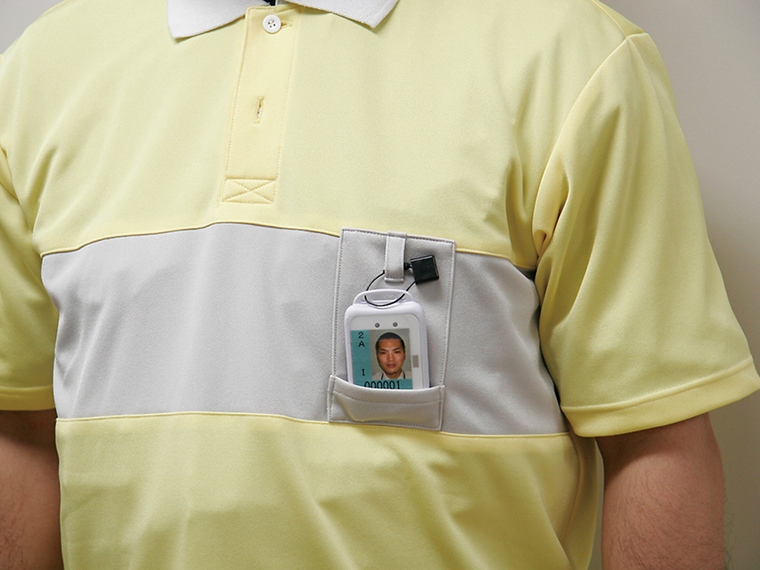
Trainees wear IC tags attached to their clothing, which allows their locations to be tracked by the Central Monitoring Room. During visitations, medical appointments, and other activities, staff generally do not accompany the trainees, who move about independently. This approach helps incarcerated individuals to develop autonomy, independence, and a strong sense of responsibility.
-
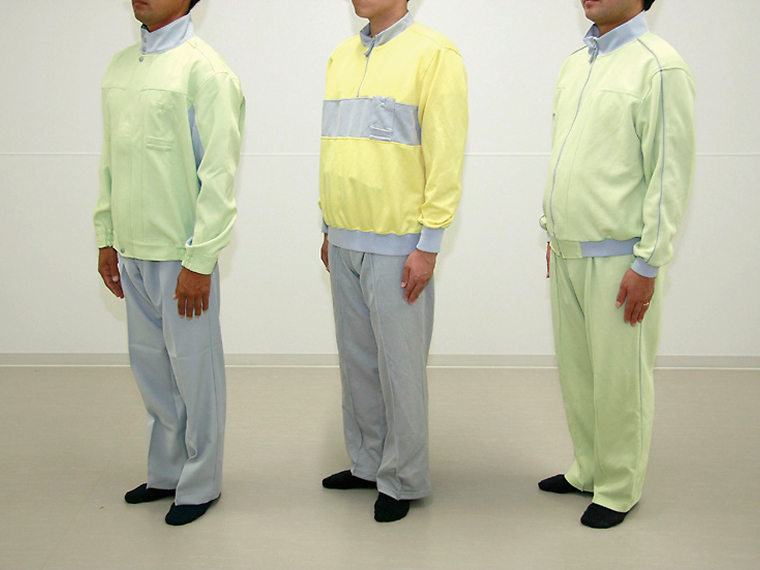
trainee clothing -
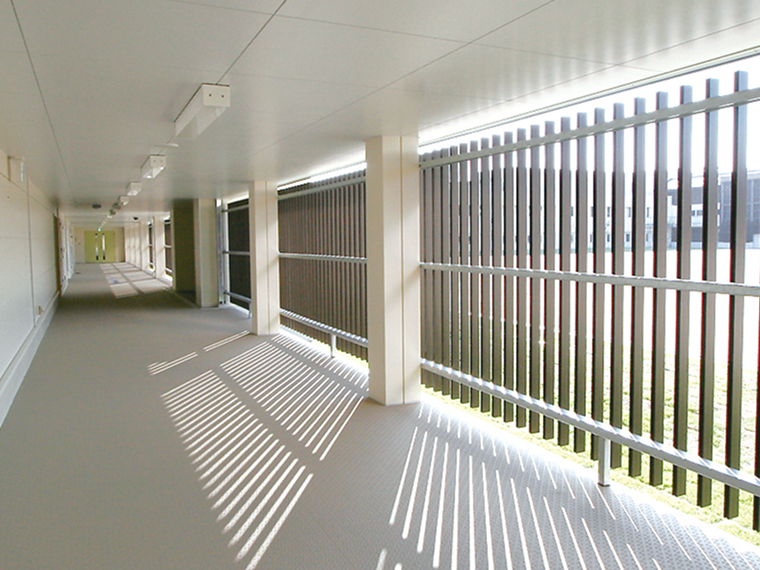
corridor
Recidivism Prevention
Aiming to Rehabilitate Individuals and Facilitate a Smooth Reintegration into Society
Adopting Proven Educational Programs from Europe and the U.S.
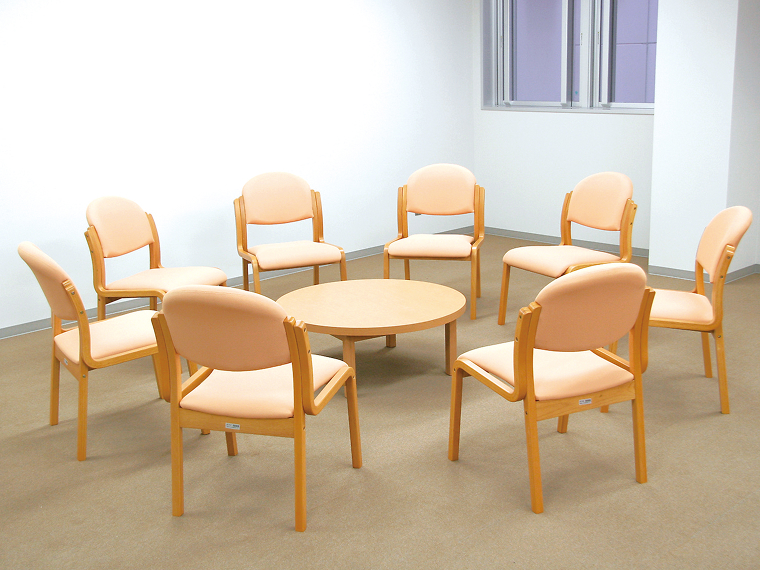
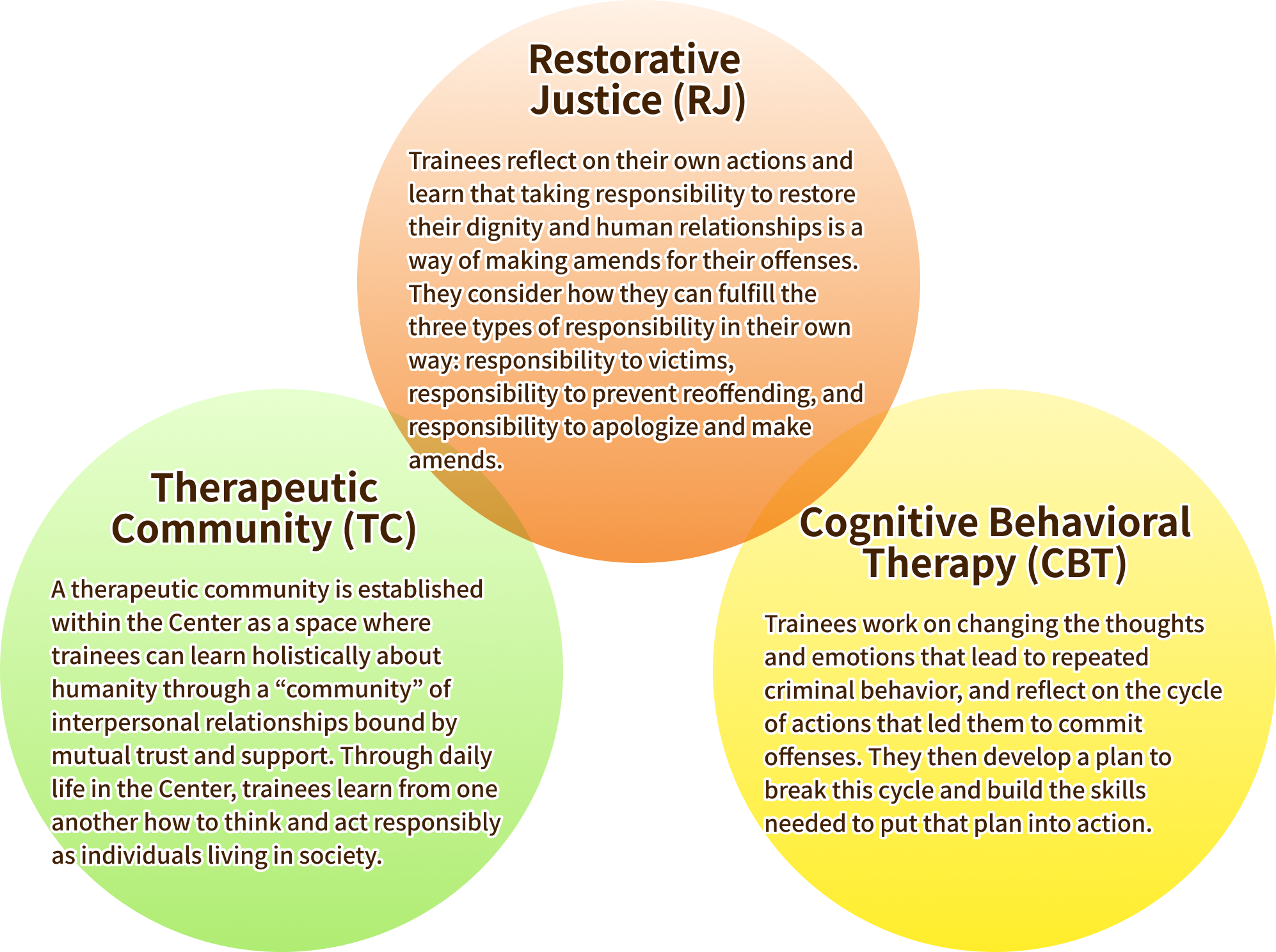
In addition to cognitive behavioral therapy and a therapeutic community program—practices proven to reduce recidivism rates in Europe and the United States—the Center incorporates the principles of restorative justice to encourage the rehabilitation and reform of trainees.
Animal-Assisted Activities and Horticultural Therapy Programs: New Approaches to Correctional Education
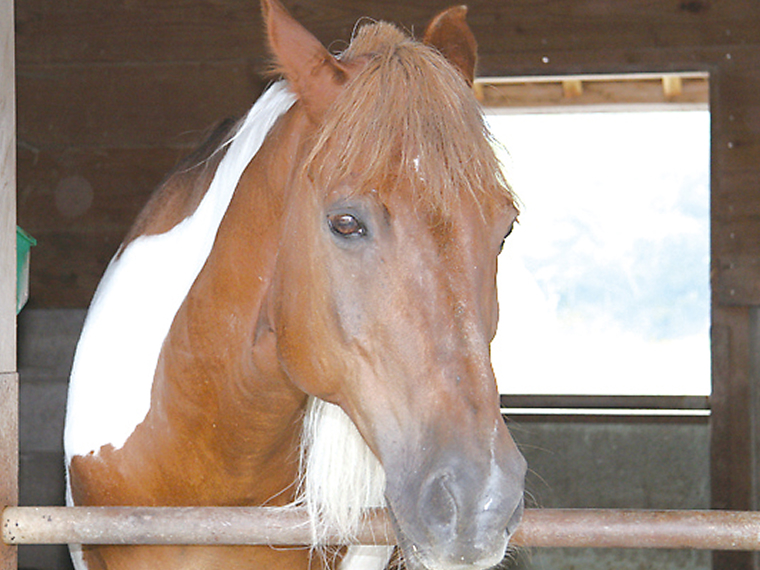
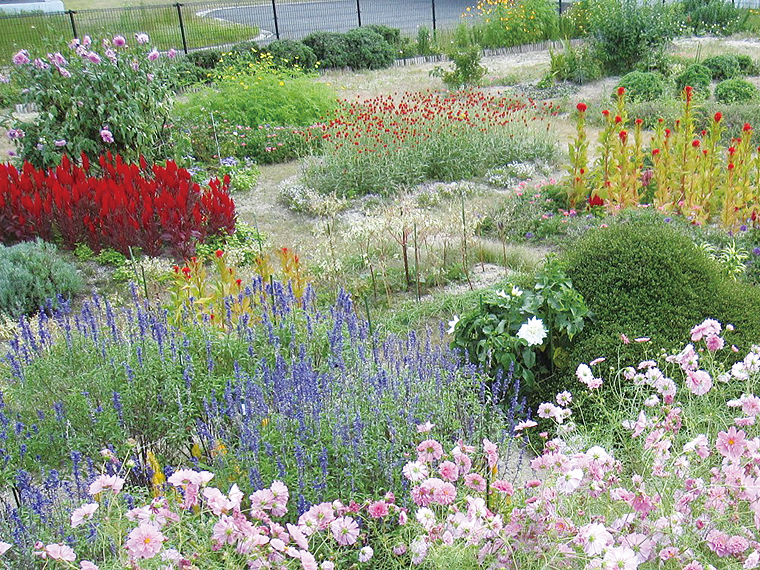
In collaboration with local volunteers and partner organizations, trainees take part in animal-assisted activities such as guide dog training for ambassador dogs, rescue cat programs, and horse programs. As part of the horticultural therapy program, trainees cultivate a variety of plants in the Center’s greenhouse and garden areas.
-
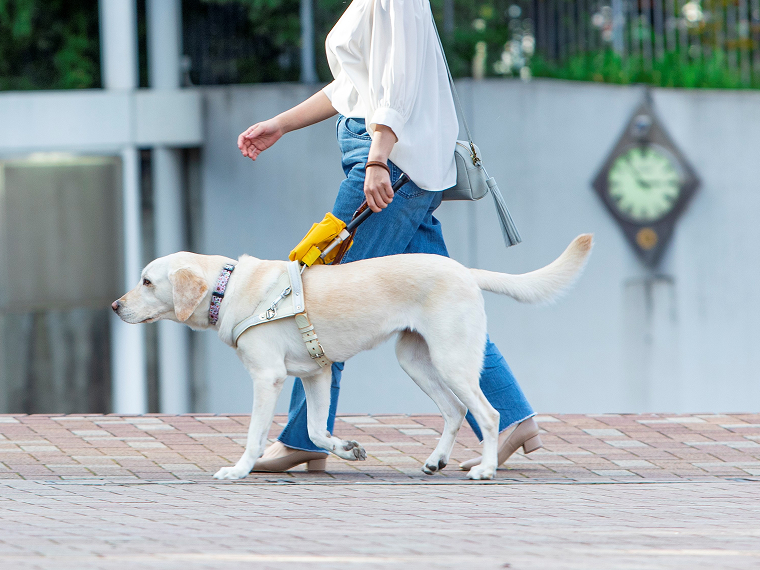
photo courtesy of Japan Guide Dog Association -
-
Reintegrating into Society as Valued Members
The Center also provides a variety of vocational training programs, including agricultural work at the Shinkai housing complex in Hamada City, as well as training in 3D computer graphics production, computer skills, and barbering.
-
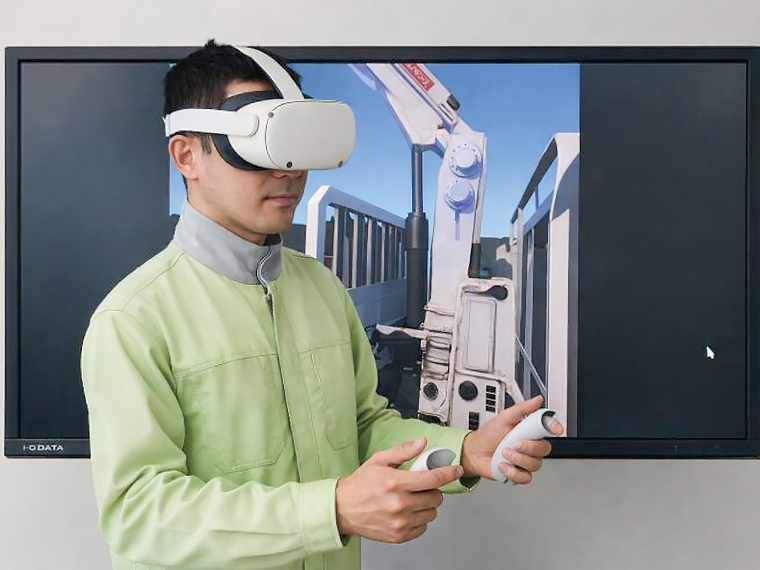
VR vocational training -
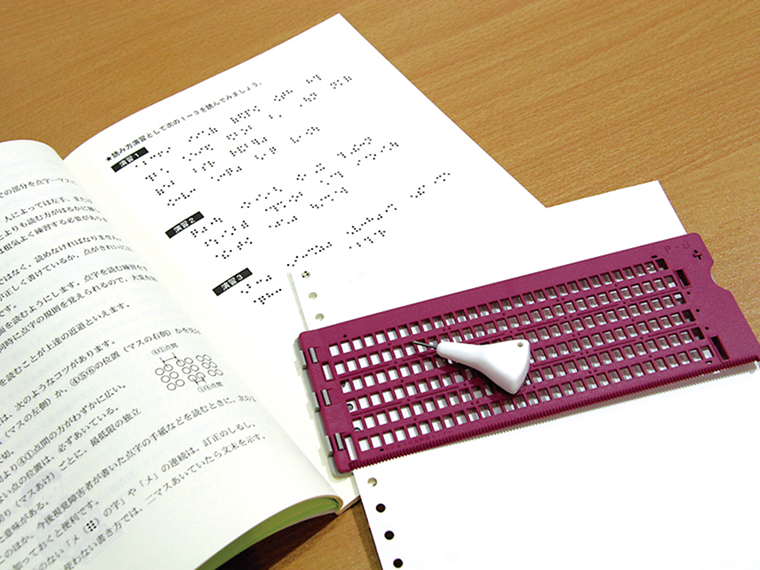
braille translation -
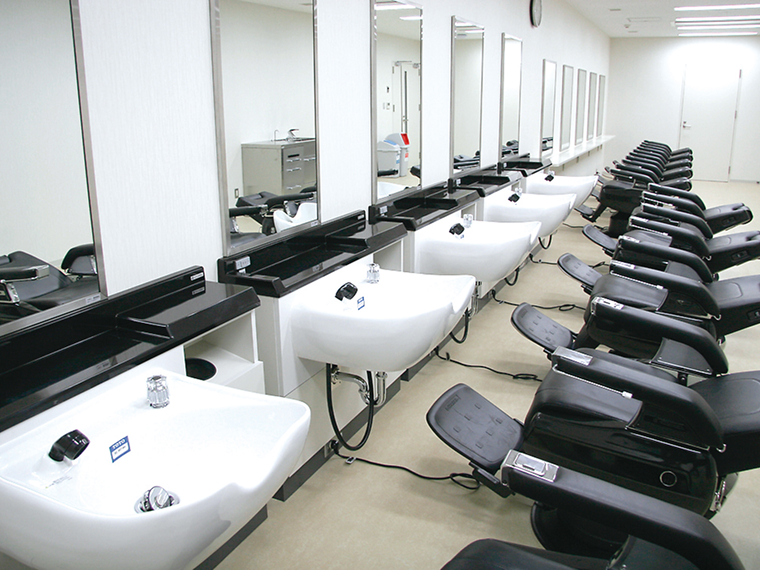
barber school
Extensive Support for Reintegrating into Society
The Center offers training that supports reintegration into society through realistic, real-world-like environments using virtual reality (VR) and metaverse technologies.
Coexistence and Co-creation with the Community
Leveraging the Region’s Abundant Resources
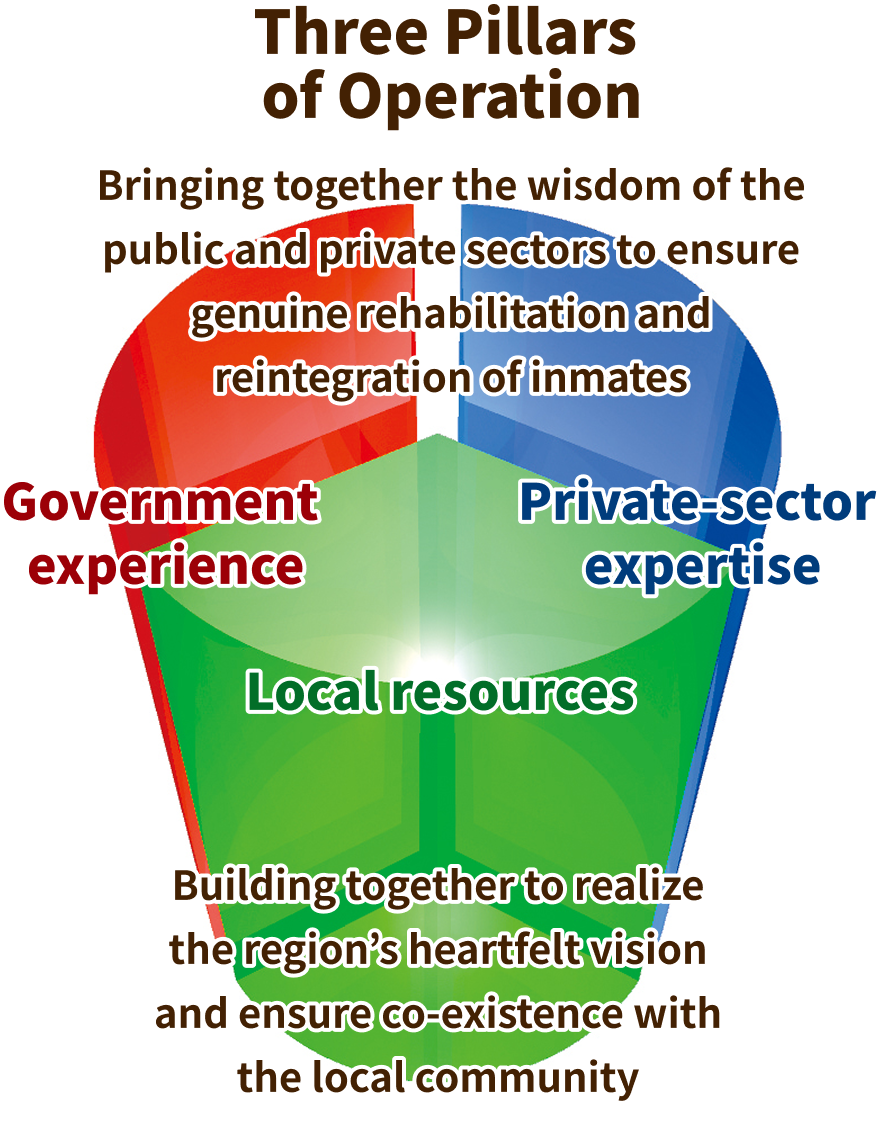
Integrating Local Resources, Government Experience, and Private-Sector Expertise
Pen Pal Program
Inspired by the community’s desire to support rehabilitation and reform, the Center runs a pen pal program between trainees and local residents.

Contributing to the Community
Every month, the Center provides Japanese Koppe pan (nicknamed “O-Koppe”) bread rolls baked by trainees as part of their vocational training to nearby elementary and junior high schools to serve as part of school lunches.

Community Interaction Space: A Symbol of a Facility Built Together with the Local Community
We believe that “building together” with the local community is the first step toward realizing a prison that is understood and supported by the public. The community interaction space serves as the hub of local community activities, functioning as a self-contained “town” that houses staff dormitories, a visitor center, a certified childcare facility, and a martial arts dojo, among other facilities.
-
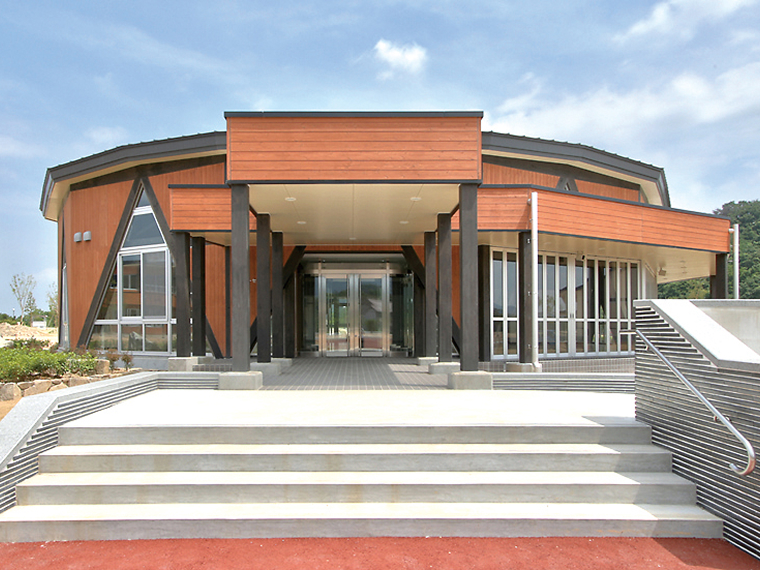
visitor center -
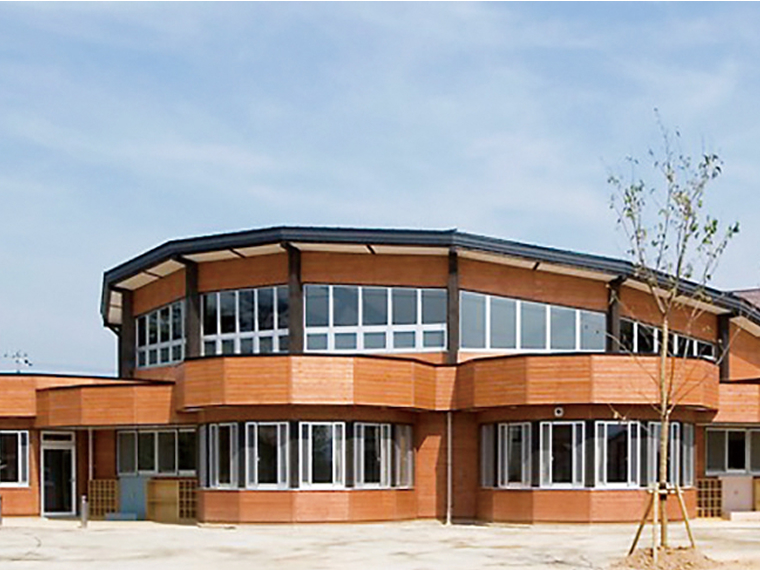
certified childcare facility -
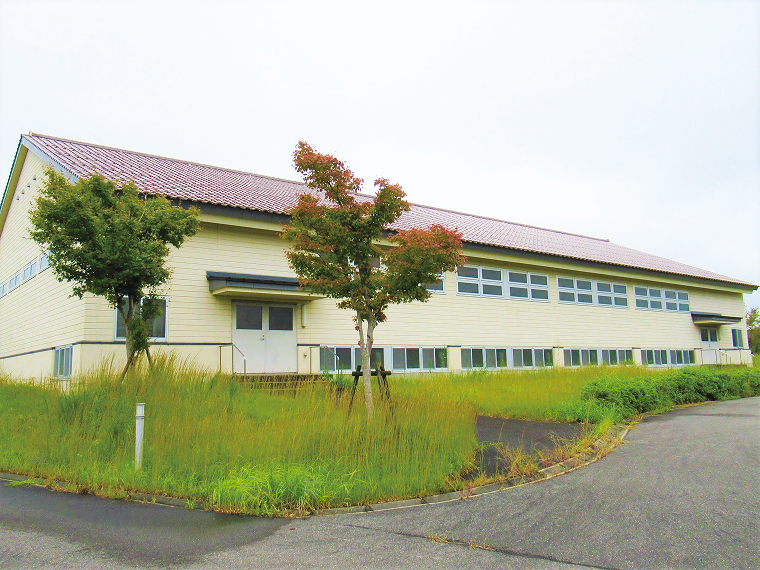
martial arts dojo
Drawing on Private-Sector Expertise
Aiming for More Efficient Operations
About the Public Services Reform Act
An abbreviation for the “Act on Reform of Public Services by Introduction of Competitive Bidding,” the Public Services Reform Act enables the provision of more efficient and higher-quality public services by leveraging private-sector capital and expertise in the maintenance, management, and operation of public facilities.
Providing Efficient and Reliable Services
At the Center, we have implemented equipment powered by new technologies to efficiently and effectively provide meals to trainees and manage procurement operations with a minimal staff.
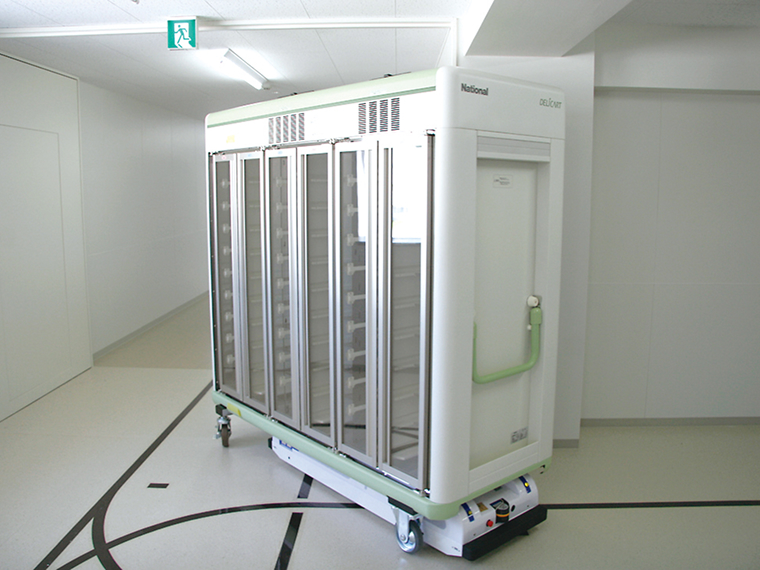
Automatic Guided Vehicle (AGV)
AGVs automatically deliver 6,000 trainee meals across three daily meals from the service energy building to the dining halls in each housing unit and vocational training building.
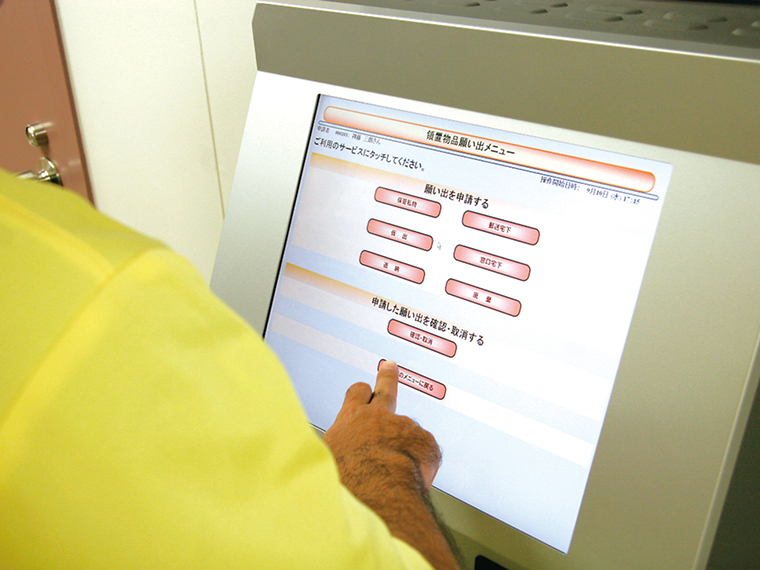
Kiosk Terminals
Trainees wishing to purchase items place their orders using the touchscreen kiosk terminals installed in the multipurpose halls of each housing unit.
IT-Based Security System
The Center is equipped with a state-of-the-art security system. Combined with human oversight and judgment, this system ensures comprehensive and reliable security.
Location Tracking System
The location of everyone in the Center is tracked in real time using IC tags attached to their clothing.
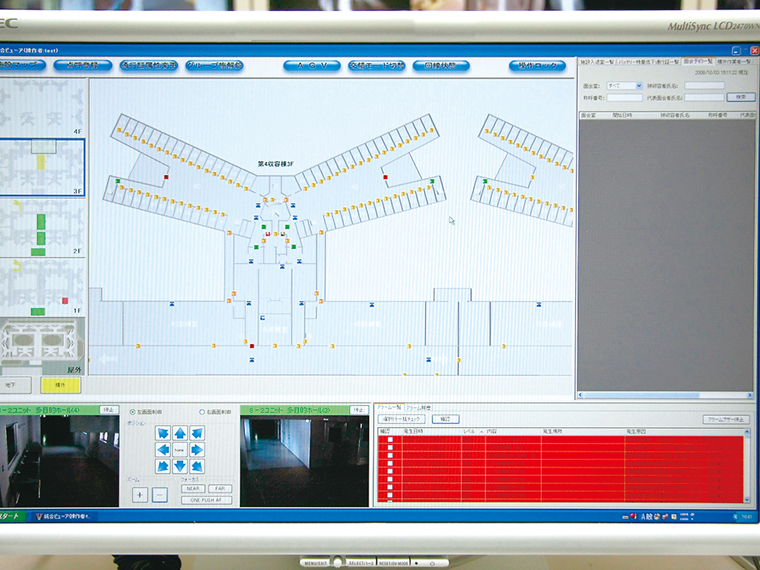
Integrated Viewer
The location tracking system, surveillance cameras, electronic locks, and operational status monitoring are managed centrally, allowing efficient surveillance operations with minimal staff.
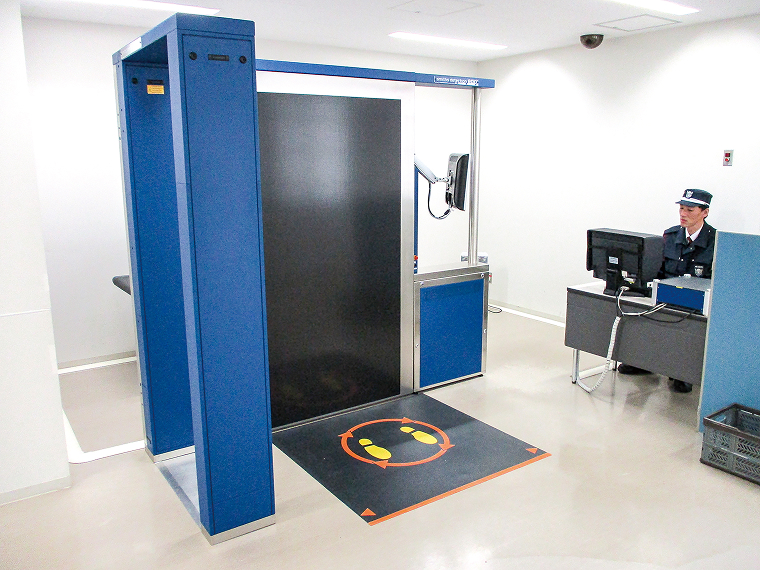
Body Scanner (eqo)
The body scanner uses harmless millimeter waves to quickly inspect personal belongings.
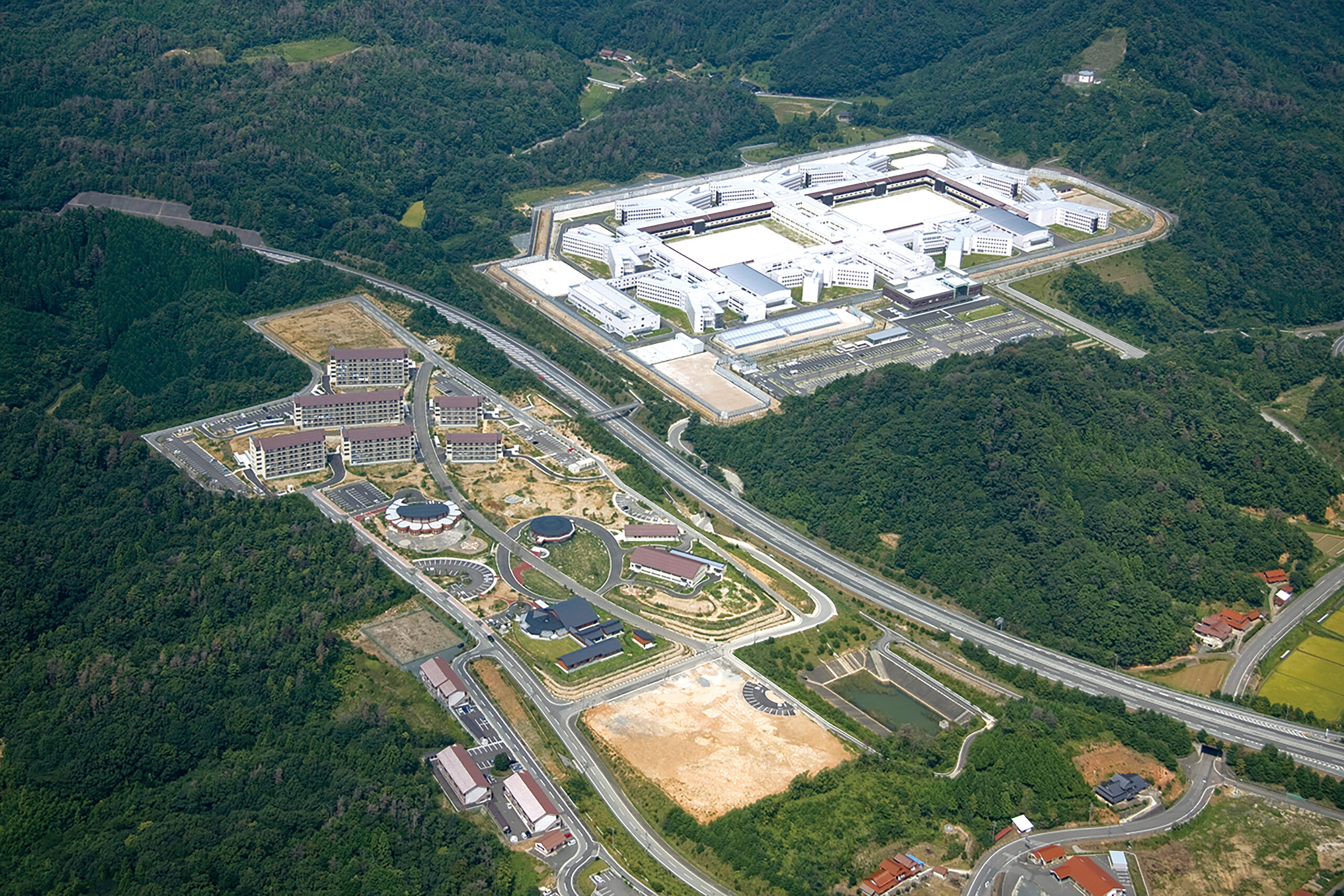
Facility Overview
Site Area Approximately 325,000 m²
Building Area Community interaction space: 16,304 m²
Correctional facility: 98,557 m²
Detention Capacity: 2,000 male trainees and others who have not yet developed criminal tendencies
In addition, the Center accommodates a limited number of trainees with physical, mental, or intellectual disabilities and provides them with special care.
Center History
March 2005
The decision was made to build a prison in Asahi-cho
October 2006
Shimane Asahi Obayashi Corporation and ALSOK Group were awarded the contract
June 2007
Groundbreaking ceremony held
October 2008
Operations commenced
March 2026
Ended operations as a Private Finance Initiative (PFI) project
April 2026
Began operations as a Public Services Reform Act project